

This brief, based on responses from a February 2025 survey, outlines how tax deductions, credits, and exclusions influence small business growth and why many owners now rank tax reform as a top priority.
10,000 SMALL BUSINESSES VOICES
Policy Agenda
Policy Agenda
10,000 Small Businesses Voices is proud to partner with the Bipartisan Policy Center (BPC) to help all lawmakers consider the small business perspective on the policy issues that face our country. The Voices policy agenda builds on the BPC’s analysis of 10,000 Small Businesses Voices survey data which is regularly gathered from program alumni from across the US.
REPORT
The Small Business Policy Playbook
Supporting small businesses is key to creating a strong, growing economy that provides widespread opportunities for business owners and workers. As described in this playbook, a small business lens can help policymakers find common ground in 2025 and beyond.
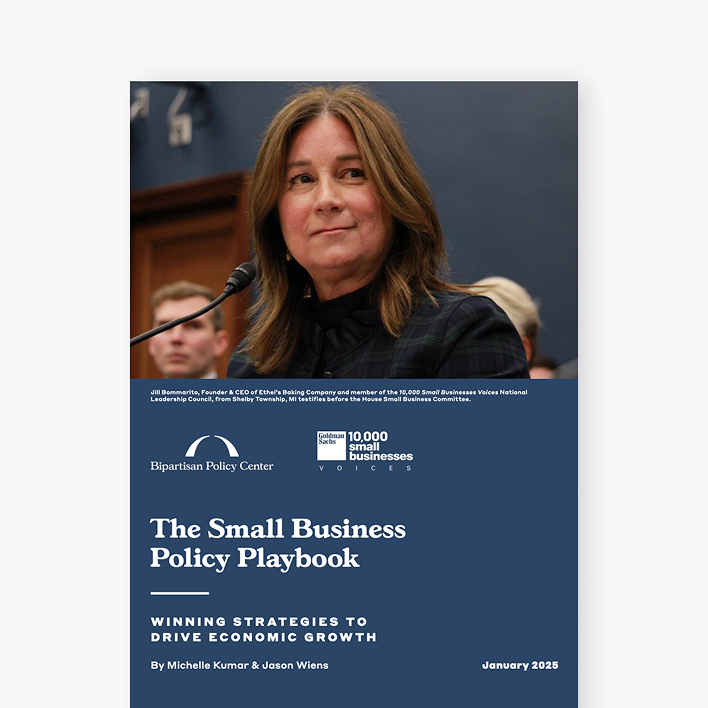
Policy Reports
Spotlighting Small Businesses in Tax Reform
Small Agency, Big Mandate
A Bipartisan Road Map to Modernizing the SBA, our 2023 policy report in partnership with the BPC.
From Pandemic to Prosperity
Bipartisan Solutions to Support Today’s Small Businesses, our 2022 policy report in partnership with the BPC.
10,000 Small Businesses Summit
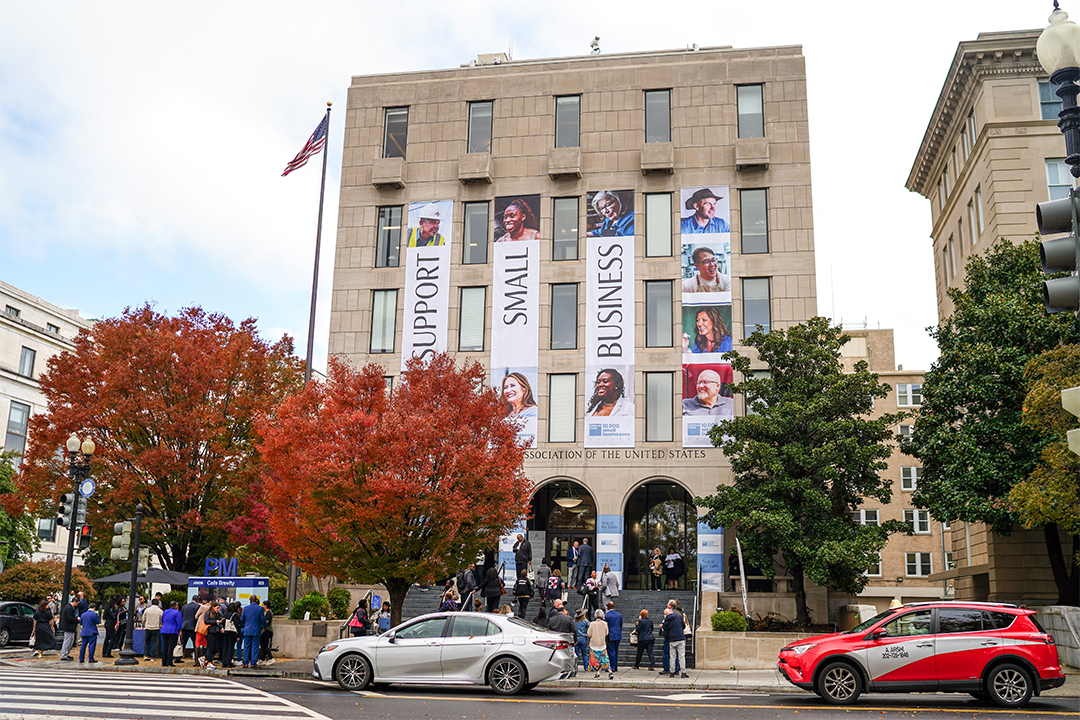
The 10,000 Small Businesses Summit in October 2025, the largest convening of small business owners in the US, celebrated and empowered entrepreneurs across America and ensured they had a 'seat at the table' in helping to shape policies that affect their future.
Our Small Business Champions
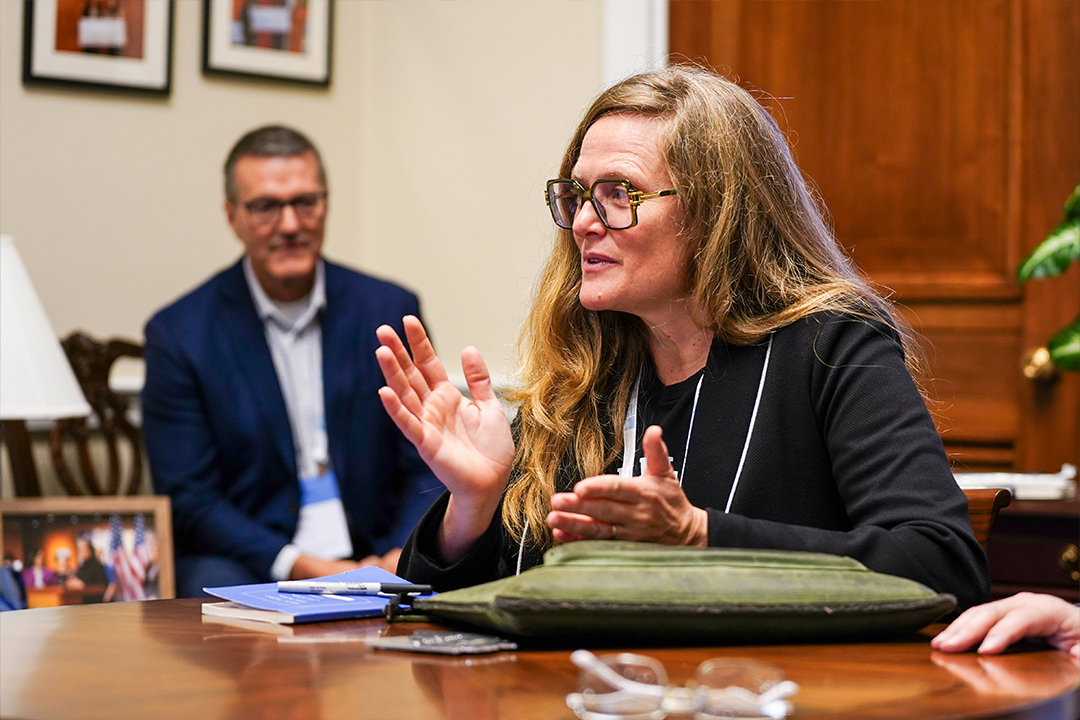
Thank you to our Small Business Champions for meeting with 10,000 Small Businesses graduates and giving them a seat at the table.
Small Businesses Need Supportive Policies to Grow
Small businesses remain ready to grow and help grow the economy. These priorities can continue to serve as a bipartisan guide to help small businesses thrive.
Bringing Main Street to Capitol Hill for Their Seat at the Table
The 10,000 Small Businesses Voices Community is celebrating five years of impact.
Policy Priorities
Small business owners are leaders in their communities. Their voices and perspectives are an important part of ensuring continued economic growth. By giving small businesses a seat at the table in Washington, policymakers are laying the groundwork for a more dynamic and innovative American economy.
Access to Affordable Capital
Access to affordable, flexible capital with small business owner-friendly terms is crucial to small business stability and growth, especially as they face increased costs related to inflation and supply chain challenges.
Tax Policy
Complexity and frequent changes to tax policy can make compliance particularly burdensome for small businesses. The small business perspective should be considered in broader tax policy conversations.
Regulation
Regulation can disproportionately impact small businesses in ways that lead to higher compliance costs. These implications should be carefully considered as regulations are developed, implemented and communicated to small business owners.
Child Care
Small business owners and their employees face challenges related to prohibitively high child care costs and small business child care providers struggle with low margins and limited capital access.
Workforce Benefits, Skills & Training
Small businesses are often at a competitive disadvantage in competing with larger businesses to hire, train, support, and retain employees. They deserve policies that help level the playing field and support workforce development so they can continue to thrive.
Procurement Reform
Small businesses can play an important role in the federal contracting landscape, providing key goods and services to the US government. But too often they are left on the sidelines due to burdensome processes, high costs, and significant barriers to entry.
Manufacturing
The vast majority of manufacturers are small businesses. Given their contributions to national security and domestic and global supply chains, these businesses need support to meet their unique capital and workforce needs.
Artificial Intelligence
A growing number of small businesses are integrating AI into their operations, but they need the appropriate infrastructure, strong support and continued education to maximize its benefits.
10,000 Small Businesses VoicesExplore More