

Why the ECB Is Unlikely to Keep Rates Higher Than 3%

- Goldman Sachs Research expects the ECB to hike rates again in December, taking its key short-term policy rate to 2.75% from its current level of 2.5%.
- Economic growth has been resilient despite the energy shock from the war in Iran, with euro area GDP growing at an annualized rate of 1.2% in the first half of 2026.
- Our economists are “skeptical” that the ECB will maintain rates significantly above 3% as market pricing suggests. Goldman Sachs Research expects the renewed energy price spike to weigh on economic growth in the coming months.
Investors expect the European Central Bank to step up the pace of interest rate hikes amid resilient economic growth and renewed energy inflation pressures. But while Goldman Sachs Research forecasts one more hike in December 2026, our economists think it’s unlikely that the ECB will keep rates well above 3% as currently priced by markets (as of September 18).
Market pricing suggests better-than-even odds that the ECB will hike rates in back-to-back rate-setting meetings, which would represent an increase from the pace of hikes so far in 2026, writes Jari Stehn, chief Europe economist, in a report. “But we see a higher hurdle for a step-up to sequential rate hikes than current market pricing,” Stehn adds.
What is the outlook for the ECB rate decisions?
Goldman Sachs Research expects the ECB to hike rates again in December, taking the deposit rate—its key short-term policy rate—to 2.75% from its current level of 2.5%.
One reason for this forecast is the “encouraging” resilience of the euro area’s economic growth, Stehn writes. The expansion exceeded economists’ expectations in the first half of the year, with an annualized growth rate of 1.2% despite the energy shock related to the war between Iran and the US and Israel.
This resilience likely reflects reduced sensitivity to energy prices, increased fiscal spending in Germany, and knock-on effects from global AI investments.
“We therefore made only small changes in response to the recent surge in energy prices and expect growth to strengthen further into 2027,” Stehn writes. Goldman Sachs Research expects GDP growth to rise from 1% this year (Q4 over Q4) to 1.4% in 2027.
The resilience of the economy this year supports the idea that the neutral policy rate—the level at which short-term rates are neither stimulating nor restricting economic growth—might have risen, Stehn writes. He points out that bank lending growth is robust despite two hikes from the ECB so far this year. And higher global equity prices, a trend of rising short-term rates, and increased competition for capital all suggest a supportive global backdrop for higher rates.
Goldman Sachs Research has increased its forecast for the ECB’s terminal rate to 2.25% from 2%.
How are rising energy prices affecting eurozone inflation?
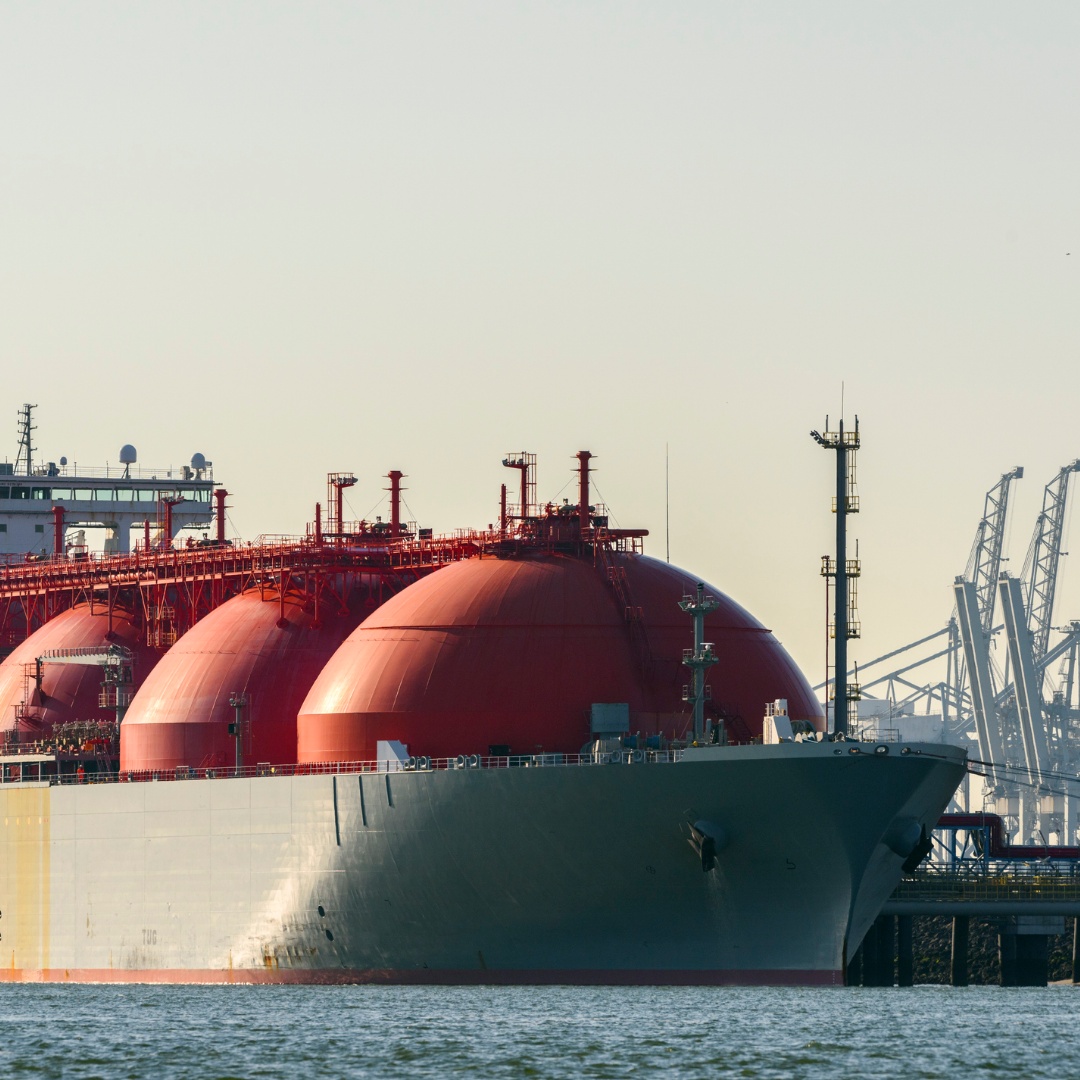
At the same time, Stehn says that there are “sizeable” energy price pressures. Benchmark natural gas prices in Europe have almost doubled since June, and spreads for refined petroleum products have widened. Our commodities team sees a higher risk that European energy prices will overshoot their forecasts rather than undershoot—especially for European liquefied natural gas prices in the event of a cold winter.
The outlook for food price inflation has also worsened since the summer following unusual weather patterns, Stehn points out. Goldman Sachs Research raised its inflation forecast and now expects headline inflation to peak at 3.8% in the fourth quarter (year over year).
Finally, recent communication from the ECB has been hawkish. The staff’s projections of inflation were revised up further, President Lagarde described September’s rate hike as a “no-brainer,” and several members of the ECB’s Governing Council have suggested that more monetary tightening is probably needed.
“Consistent with this, our model-based simulations suggest that the ECB might have to raise the deposit rate to 2.75% to lean against inflation persistence,” Stehn writes.
How high could eurozone interest rates rise?
“We are skeptical of current market pricing that the ECB will step up the hiking pace to take rates significantly above 3%, for several reasons,” Stehn writes.
Stehn projects that the renewed energy spike will weigh on economic growth in the coming months. A recent sharp rise in headline inflation implies “a notable hit to household real disposable income,” he observes. Goldman Sachs Research expects some slowing in consumer spending in the second half of this year.
Consistent with this, the early economic data from the third quarter of 2026, including July retail sales and industrial production, look softer than in the first half of the year. Goldman Sachs Research estimates that quarterly GDP growth is tracking at 0.2%, “a still-healthy pace of expansion, albeit slightly lower than observed in H1,” Stehn writes.
Measures of underlying inflation have also remained weaker than our economists had expected. Core inflation, which excludes volatile components such as energy prices, was running at 2.4% year over year in August—the same level as before the start of the war in the Middle East. And longer-term inflation expectations have remained stable.
Goldman Sachs Research forecasts that core inflation will peak at 2.7% in the first quarter of 2027—below its 2023 peak of more than 5%.
Beyond Stehn’s expectations of one more hike in December, he writes that “further hikes are certainly possible if energy price pressures continue to build and clearer passthrough effects into core inflation and wage setting emerge.” But his team does not expect the ECB to maintain rates well above 3%.
“We maintain our view that the ECB will normalize rates from late 2027 as the inflation overshoot recedes,” he adds.
This article is being provided for educational purposes only. The information contained in this article does not constitute a recommendation from any Goldman Sachs entity to the recipient, and Goldman Sachs is not providing any financial, economic, legal, investment, accounting, or tax advice through this article or to its recipient. Neither Goldman Sachs nor any of its affiliates makes any representation or warranty, express or implied, as to the accuracy or completeness of the statements or any information contained in this article and any liability therefore (including in respect of direct, indirect, or consequential loss or damage) is expressly disclaimed.



Subscribe to Briefings
Our weekly newsletter delivers the latest insights on economic forces shaping markets—from Goldman Sachs leaders, economists, and investors around the world.
You can unsubscribe at any time. For information about how your personal data will be used, visit Privacy Information and Resources.